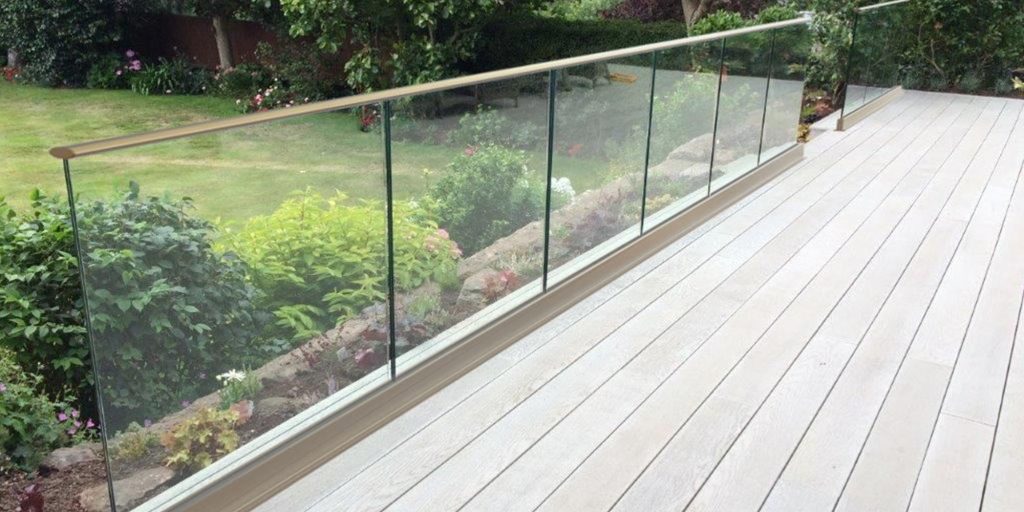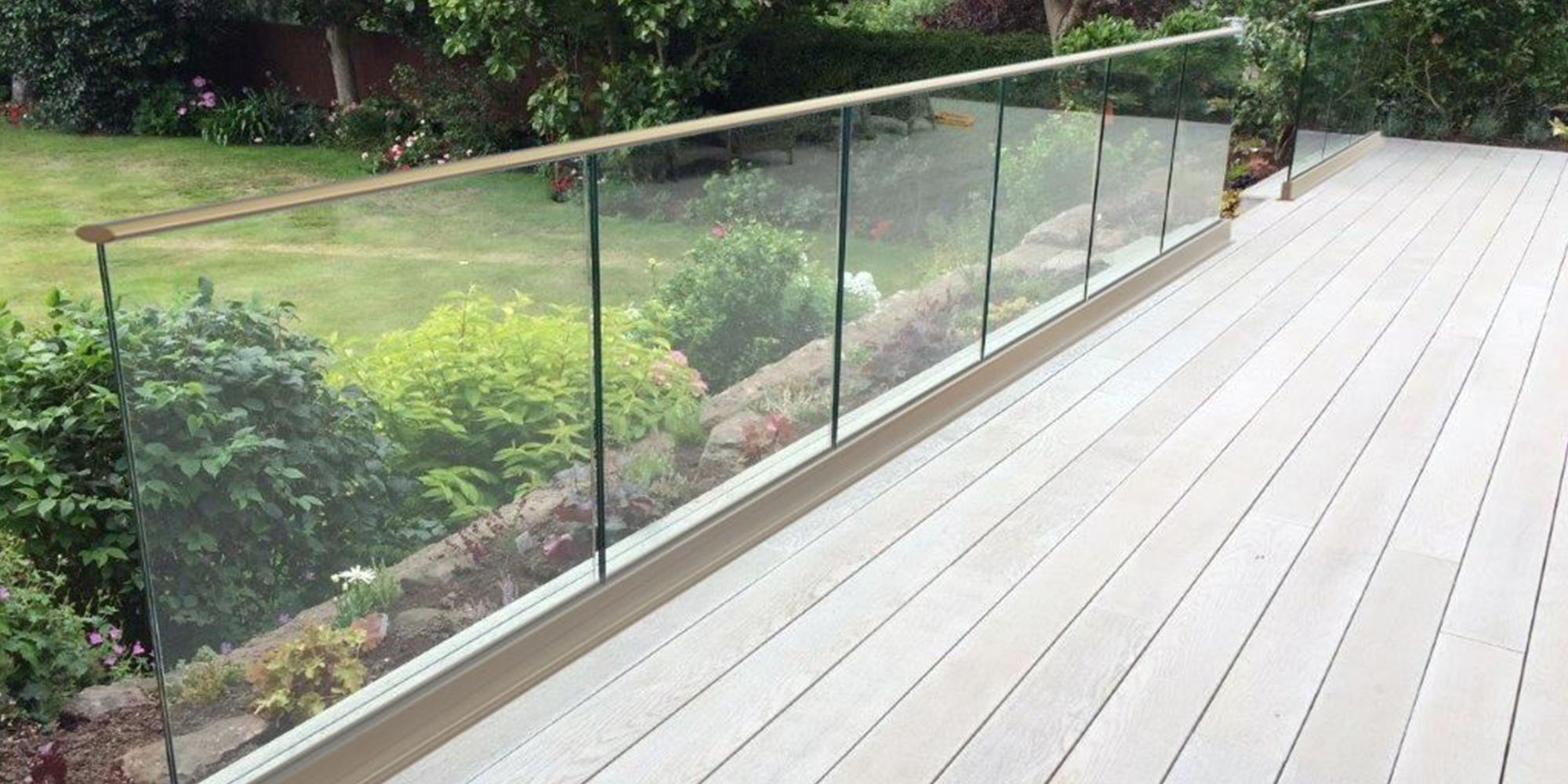
Glass balustrades have emerged as a stylish and practical architectural feature in both residential and commercial spaces. Traditionally, balustrades served as safety barriers, but modern design has transformed them into elegant elements that enhance the aesthetic of any structure. Whether installed indoors or outdoors, glass balustrades offer a perfect blend of functionality, safety, and contemporary style.
In this article, we explore the many uses of glass balustrades and explain why they are such a popular choice for today’s homes and buildings.
1. Staircases and Landings
One of the most common uses of glass balustrades is along staircases and landings. In homes, offices, and public buildings, glass balustrades are used to create open, airy spaces while ensuring full compliance with safety regulations.
Unlike traditional wooden or metal railings, glass allows natural light to pass through, making stairwells feel brighter and more spacious. Frameless glass balustrades in particular add a sleek, modern look that suits contemporary interiors, while semi-framed or framed versions can be paired with other materials such as oak or stainless steel for a more classic finish.
Key Benefits:
- Improves visibility and openness
- Enhances the appearance of internal spaces
- Provides a safe barrier without blocking light
2. Balconies and Juliette Balconies
Glass balustrades are also extensively used in balcony design. They offer unobstructed views while acting as a secure barrier, making them ideal for residential flats, hotels, and holiday homes.
In the case of Juliette balconies, which are essentially safety features for floor-to-ceiling windows or French doors on upper storeys, glass balustrades provide a minimalistic yet effective guardrail. Their transparency means they don’t detract from the architecture or interrupt the view, which is particularly important in properties overlooking scenic surroundings.
Key Benefits:
- Maximises views and daylight
- Enhances the aesthetic appeal of the exterior
- Provides wind protection while maintaining visibility
3. Terraces, Roof Gardens, and Patios
For outdoor entertainment areas such as terraces and rooftop gardens, glass balustrades St Albans offer both safety and sophistication. They create a clear boundary without the visual bulk of traditional fencing or railings, allowing for panoramic views and a more luxurious atmosphere.
In high-rise buildings, they serve a critical safety role by acting as windbreaks and preventing falls without spoiling the skyline. For patios and garden decks, they can define seating or dining areas while preserving sightlines across the landscape.
Key Benefits:
- Safe enclosure without visual intrusion
- Maintains views of gardens, landscapes, or cityscapes
- Durable and weather-resistant when made from toughened or laminated glass
4. Mezzanines and Interior Balconies
Modern interiors often include mezzanine floors to maximise vertical space in loft apartments, offices, or retail units. Glass balustrades around mezzanines allow full visibility of both upper and lower levels, enhancing communication between floors and contributing to an open-plan aesthetic.
In retail environments, glass is commonly used to separate levels while allowing shoppers to view merchandise displays across different floors. In corporate offices, it encourages a sense of transparency and openness.
Key Benefits:
- Promotes a modern, open-plan design
- Helps maintain sightlines and connectivity between spaces
- Ideal for both residential and commercial interiors
5. Pool Fencing and Safety Barriers
Around swimming pools, glass balustrades provide a safe barrier without compromising the visual appeal of the water or surrounding landscaping. Frameless glass panels are especially popular in high-end homes and hotels, where they offer a clean, resort-style look.
Safety is a primary concern around pools, particularly for children and pets. Glass fencing provides a strong, tamper-proof solution that meets safety regulations while remaining discreet.
Key Benefits:
- Prevents accidents without obstructing views
- Weatherproof and corrosion-resistant
- Enhances the design of pool areas
6. Commercial and Public Spaces
In commercial settings such as shopping centres, airports, and office buildings, glass balustrades are used for both functionality and branding. They help manage crowd flow, delineate areas, and ensure the safety of high-traffic zones like escalators, staircases, and atriums.
Frosted or etched glass can include company logos or wayfinding information, combining safety features with stylish presentation. Glass also communicates professionalism and modernity—qualities essential in corporate architecture.
Key Benefits:
- Durable enough for heavy foot traffic
- Can be customised with branding or frosted designs
- Creates a sleek, professional appearance
7. Bridges and Walkways
Glass balustrades are increasingly used on pedestrian bridges and raised walkways, both indoors and outdoors. Their transparency allows for better views of the surroundings and contributes to the visual lightness of the structure.
In public parks or university campuses, glass helps connect different areas without interrupting the natural or architectural flow. For indoor footbridges, such as in galleries or atriums, glass balustrades maintain the openness and aesthetic continuity of the space.
Key Benefits:
- Lightweight visual profile
- Offers panoramic views for elevated walkways
- Suitable for both indoor and outdoor use
Final Thoughts: Why Choose Glass Balustrades?
Glass balustrades offer a unique combination of safety, elegance, and modernity. Their versatility means they can be adapted to nearly any setting—indoors or outdoors, residential or commercial. When properly installed using toughened or laminated safety glass, they provide robust protection while enhancing light, space, and style.
They are also low maintenance, highly durable, and resistant to corrosion and weathering, making them an ideal long-term investment for any property.